Veteran leadership + 25 plus years’ experience
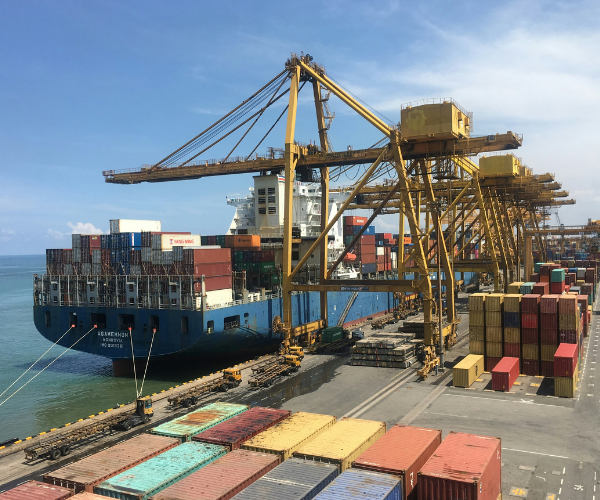
How We Deliver to Any Port, Shipyard, or Offshore Location
When a vessel is waiting for spares, every minute counts. A delay in delivery doesn’t just cause frustration—it can mean lost revenue, higher operational costs, and even disruption of entire schedules. That’s why ship spares logistics is one of the most time-critical services in the marine supply chain.
At OceanAxis, we’ve built our operations around this urgency. Whether it’s a last-minute part for an engine, navigation equipment, or a safety item, we make sure it reaches the vessel—wherever it may be.

What makes ship spares logistics different?
- Round-the-clock response - Ships don’t follow office hours, and neither can spares delivery. We operate 24/7 to match the rhythm of global shipping.
- Any port, any time - From major international hubs to smaller shipyards or even offshore rigs, we know how to navigate customs, permits, and delivery clearances.
- Speed with compliance - Urgency doesn’t mean cutting corners. Hazardous or sensitive
parts are moved in full compliance with safety and legal standards.
Behind the scenes: How we get it done
- Coordination with suppliers and ship owners – As soon as we receive a request, our team aligns with suppliers and ship owners to confirm the part details, timelines, and destination.
- Customs and paperwork handled upfront – We anticipate and prepare documentation before the part even reaches the port, reducing time lost in clearance.
- Last-mile delivery to deck – Our local operations team and port specialists ensure the spare is delivered not just to the port gate, but directly to the vessel or yard.
Why it matters
- The shipping industry runs on tight schedules. A single delay can ripple through multiple voyages.
- Reliable ship spares logistics ensures vessels keep sailing, crews remain safe, and owners avoid costly downtime.
- For us, it’s not just about moving a package—it’s about keeping the world’s trade moving without interruption.
Working with Ports, Shipyards, and Offshore Operators: What Really Matters
When it comes to port, shipyard, or offshore operations, the difference between smooth sailing and costly delays often comes down to how well logistics partners work with local authorities and operators. Over the years, we’ve seen that success in these environments isn’t about shortcuts—it’s about preparation, relationships, and clear communication.
Here are a few things that really matter:

Documentation done right
Delays often start with missing or incomplete paperwork. Making sure every document is accurate and pre-cleared avoids unnecessary hold-ups.
Local relationships
Ports and shipyards work round the clock. Having on-the-ground contacts who can fast-track permissions or resolve bottlenecks is invaluable.
Clear coordination
Multiple parties—customs, port operators, vessel crew, and logistics providers—need to be in sync. A single missed update can cost hours or even days.
Safety and compliance first
Whether it’s hazardous cargo or time-bound equipment, authorities will always prioritize safety. Working hand-in-hand with their processes ensures smooth approvals.
In our experience, the best way to keep operations running is to respect how each port and operator functions, while adding value through speed, transparency, and problem-solving. It’s less about pushing and more about partnering.
Why Cruise & Passenger Vessels Need Specialized Logistics Support
Unlike cargo ships, cruise and passenger vessels operate on strict schedules with thousands of people onboard. That makes their logistics needs unique—and far less forgiving of delays. Every delivery, from spare parts to provisions, has to be perfectly timed and executed. Here are a few niche challenges we’ve seen, and how to overcome them:

Zero tolerance for delays
Cruise liners follow fixed itineraries. A missed delivery window can mean the ship leaves without critical spares or supplies. The solution? Pre-planning deliveries to match exact port calls, with backup routes ready.
Passenger safety and comfort
Supplying food, beverages, and amenities is just as important as spares. Any lapse directly affects passenger experience. The key is to align with onboard teams to anticipate needs well before docking.
Complex port restrictions
Passenger terminals often have tighter regulations and security checks. Working closely with port authorities ensures smooth entry without last-minute hurdles.
International coordination
Cruise vessels operate globally, touching multiple countries in a single voyage. A strong global network of logistics partners ensures consistency across borders.
In short, cruise and passenger vessels need logistics partners who can combine speed, compliance, and foresight. It’s about making sure the ship sails on time—with everything it needs already onboard.
Defence & Naval Logistics: Confidentiality, Security, and Precision
Handling logistics for defence and naval operations requires a very different approach compared to commercial shipping. The stakes are higher, timelines are tighter, and the margin for error is zero.
Three principles define success in this sector:
Confidentiality
Sensitive cargo—whether spares, equipment, or classified materials—demands the highest level of discretion. Every movement is managed on a strict need-to-know basis, with information safeguarded at every stage.
Security
Defence cargo cannot be treated like standard shipments. It requires secure transport arrangements, vetted personnel, and strict compliance with government protocols. Close coordination with authorised agencies is essential.
Precision
Naval operations run on exact schedules. Delays are not just costly—they can affect mission readiness. Deliveries must be meticulously planned, verified, and tracked until they reach the designated vessel or base.
Serving this sector is about more than logistics. It’s about building trust with defence forces, operating with integrity, and ensuring that critical cargo is delivered with uncompromising reliability.
From Heavy Equipment to EPC Projects: Getting It Right in Industrial Cargo
Moving heavy equipment or EPC project cargo isn’t just about size—it’s about precision and risk management. One miscalculation can mean delays, extra costs, or even operational shutdowns.
Here's what really makes a difference:

Route Planning Beyond the Port
Oversized cargo often faces challenges like low bridges, narrow turns, or uneven roads. A proper survey and alternative route planning save time and prevent last-minute surprises.
Coordinated Stakeholder Management
Projects involve multiple parties—port authorities, crane operators, engineers, inland carriers. Smooth execution depends on aligning all of them to one schedule.
Expecting the Unexpected
Weather, sudden restrictions, or permit issues can throw off timelines. Building contingency into the plan keeps delivery on track.
Safety at Every Step
Whether it’s multi-axle trailers, barges, or heavy-lift cranes, strict safety protocols protect both cargo and people.
For EPC and industrial cargo, success is measured in one outcome: safe delivery, on time, with zero disruption. That’s where experience and foresight turn complexity into reliability.